Protocol 01: The 72-Hour Foundation
The grid is a luxury. Preparation is a choice.
Most people live on a “just-in-time” delivery system. They assume the grocery store shelves will be full, the tap will always run clear, and the cell towers will never blink. But history—and the reality of living in a wildfire and earthquake zone like Northern California—tells a different story.
When the systems we rely on fail, the first 72 hours are the most critical. This isn’t about “doom-prepping”—it’s about operational readiness. It’s about making sure that when the lights go out, your plan turns on.
The 72-Hour Manifest
If you have to leave your home in 120 seconds, is your gear ready to sustain you? A true 72-hour kit isn’t just a backpack; it’s a life-support system. Here is the baseline manifest every kit needs to reach a state of readiness.
1. Hydration (The Absolute Priority)
You can survive weeks without food, but only days without water.
- Baseline: 3 Liters of sealed water.
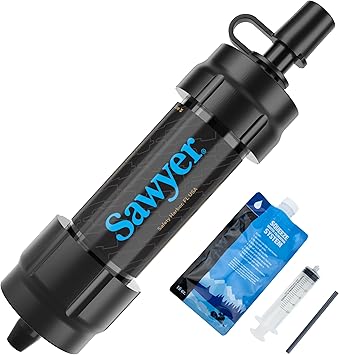
- Tactical Backup: A secondary filtration method. The Sawyer MINI is our top pick because it filters 100,000 gallons and fits in a jacket pocket.
2. Calories (High-Density Fuel)
Avoid anything that requires a kitchen or heavy preparation. You need fuel that works on the move.
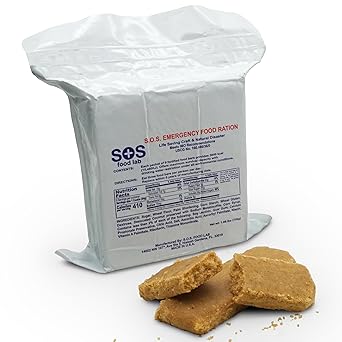
- The Gear: High-calorie energy bars (like 4Patriots 72-Hour Bars) that are shelf-stable for 5+ years and require zero water to consume.
3. Comms & Intel
If the internet goes dark, the airwaves are your only source of truth.
- The Gear: A dedicated emergency radio. The Midland ER310 is the industry standard for 2026, featuring NOAA weather alerts, hand-crank charging, and a built-in SOS beacon.

4. Illumination
Navigation in the dark isn’t just difficult; it’s dangerous.
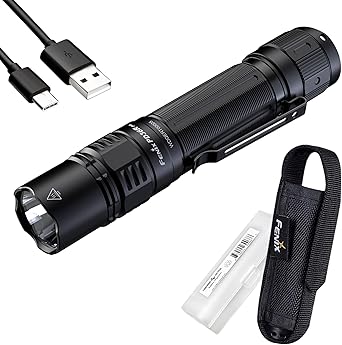
- The Gear: One high-lumen tactical light (we recommend the Fenix PD36R) and one hands-free headlamp for gear maintenance or medical tasks.
Why 72 Hours?
Data from major disaster relief efforts shows that it typically takes emergency services a three-day window to stabilize a zone and establish supply lines. Your goal is to be self-sufficient for that window so you aren’t a burden on the system—you’re a survivor.
Field Note: A kit you can’t carry is a locker, not a bag. Aim for a total weight that is less than 20% of your body weight. If it’s too heavy to run with, it’s too heavy to own.
Analyze Your Gear: Essential vs. Elite
| Sector | Essential (Budget) | Elite (Professional) |
| Comms | RunningSnail Solar Radio | Midland ER310 E+READY |
| Water | LifeStraw Personal | Sawyer MINI System |
| Light | Acebeam TAC 2AA | Fenix PD36R ACE |
| Trauma | standard First Aid Kit | GoKit Professional |
The Next Step
Over the next few weeks, Prepper Supply Guide will be dissecting every piece of gear in this manifest. We aren’t looking for the “prettiest” equipment; we’re looking for the gear that won’t fail when the pressure is on.
Stay Vigilant. Stay Ready.
LEAVE A COMMENT