How Long Does Survival Food Last
Understanding Survival Food
Survival food refers to a category of food items specifically designed to remain edible and nutritious for an extended period, making them essential for use in emergency situations. The primary purpose of survival food is to provide sustenance when access to fresh food becomes limited or entirely unavailable. This can occur in various scenarios, such as natural disasters, economic crises, or during extended outdoor expeditions where traditional food supplies may be scarce.
There is a vast array of survival food options available, each suited to different circumstances and preferences. Common types include freeze-dried meals, dehydrated foods, canned goods, and high-calorie emergency rations. Freeze-dried meals are highly popular due to their lightweight nature and long shelf life, often lasting 25 years or more. Dehydrated foods, which remove moisture to ensure longevity, also serve as viable options when packed correctly.
Canned goods are another staple in survival kits, offering an extensive range of fruits, vegetables, meats, and legumes. Their lifespan can exceed several years when stored properly, making them a practical choice for keeping in reserve. Additionally, high-calorie emergency rations are compact, energy-dense foods designed to offer the necessary calories during disaster scenarios. They are usually packaged to withstand extreme conditions and are ready to consume without any preparation.
The role of survival food in emergency preparedness cannot be overstated. Ensuring a robust supply of such food items can be crucial to maintaining health and morale in challenging situations. It is advisable for individuals and families to assess their needs and consider incorporating a variety of these food types into their emergency preparedness plans, taking into account shelf life, nutritional value, and personal dietary restrictions.
Factors Affecting Shelf Life
The shelf life of survival food is influenced by several critical factors, which can significantly determine how long these provisions can be stored without losing their nutritional value or becoming unsafe to eat. One of the most significant aspects is the type of packaging. Durable, airtight packaging can greatly inhibit moisture, oxygen, and light from degrading the food, thereby extending its shelf life. Examples of effective packaging include vacuum-sealed bags and moisture-proof containers, which are often used in the commercial preparation of survival food.
Another essential factor is the storage conditions under which the food is kept. Temperature plays a pivotal role, as a cooler environment generally helps prolong shelf life. Ideally, survival food should be stored in a temperature range between 50 to 70 degrees Fahrenheit. Humidity is also a crucial element; excessive humidity can lead to mold growth and spoilage. Therefore, a dry storage location away from direct sunlight is recommended.
The specific ingredients used in survival food can further influence its longevity. Foods with higher fat content, for instance, tend to have shorter shelf lives due to the risk of rancidity. In contrast, dehydrated foods, such as freeze-dried fruits and vegetables, can last considerably longer. Moreover, the method of preservation employed during the food’s processing plays an integral role; techniques such as canning, vacuum sealing, and freeze-drying are all effective options that can preserve food for several years when done correctly.
Considering these factors—packaging, storage conditions, and ingredient composition—will provide valuable insight into how long survival food can be expected to last, ensuring safety and nutritional quality during periods of emergency or uncertainty.
Typical Shelf Life of Different Survival Foods
Understanding the shelf life of various survival foods is crucial for proper storage and preparedness. Different categories of survival food exhibit distinct longevity, influenced by factors such as storage conditions, packaging, and food type. In this section, we will discuss the average shelf life of several common categories.
Canned Goods: Canned foods are among the most durable survival options. Most canned vegetables, fruits, and meats can last between 2 to 5 years when stored in a cool, dry place. Some items, such as canned fish, may even exceed this time frame when properly sealed. However, it is advisable to check for any signs of bulging or rust, particularly before consumption.
Freeze-Dried Meals: Freeze-dried meals are specifically designed for long-term storage. These meals can last anywhere from 25 to 30 years, making them an excellent option for emergency preparedness. They are lightweight and nutrient-dense, which further enhances their appeal. It is important to keep them in their original packaging until use to ensure maximum freshness.
Dehydrated Foods: Similar to freeze-dried options, dehydrated foods also enjoy a significant shelf life, often ranging from 10 to 20 years. This category includes fruits, vegetables, and grains. For optimal storage, they should be placed in airtight containers to prevent moisture from affecting their longevity.
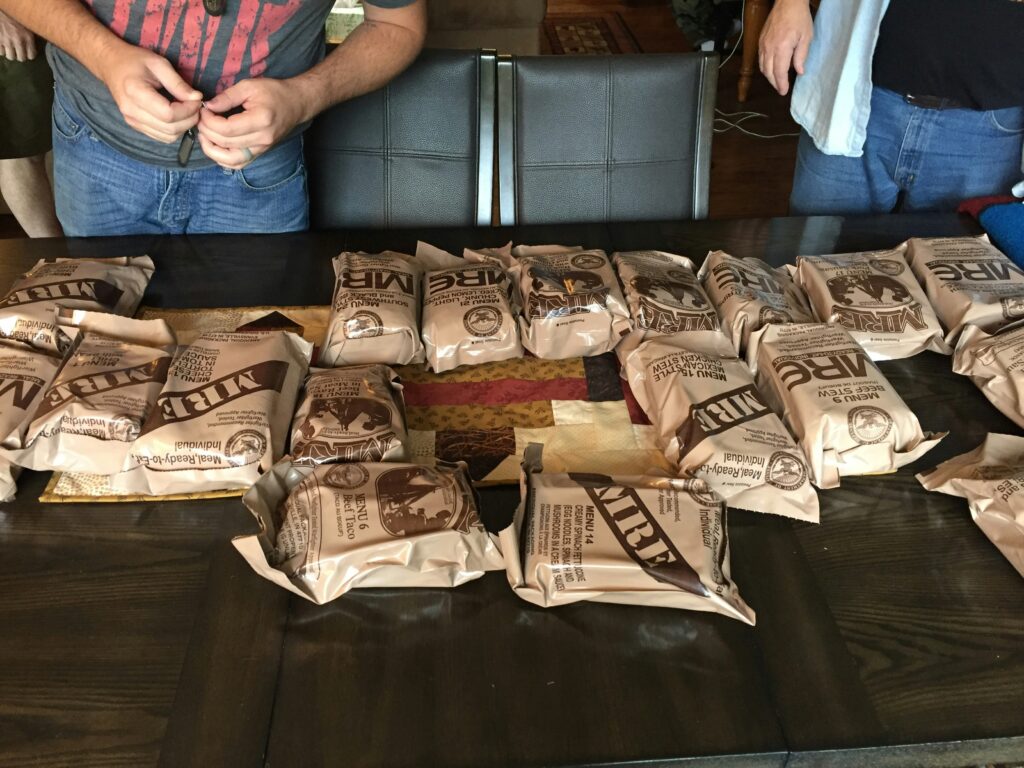
MREs (Meals Ready to Eat): MREs are designed for military use but are widely available for civilian consumption. Their shelf life can vary widely but generally lasts about 5 to 7 years. MREs are sealed in durable packaging that protects them from external factors. Consequently, they provide a reliable food source in emergency situations.
In conclusion, being informed about the typical shelf life of different survival foods enables individuals to make well-informed choices regarding their long-term food storage strategies. Selecting the right food categories can significantly affect preparedness for emergencies or unforeseen circumstances.
Best Practices for Storing Survival Food
Proper storage of survival food is crucial to maximizing its shelf life and ensuring readiness during emergencies. The ideal storage environment for survival food should be cool, dry, and dark. A temperature range of 50°F to 70°F (10°C to 21°C) is recommended, as heat and moisture can significantly affect food quality and longevity. Avoid placing survival food items near windows, ovens, or basements where humidity levels fluctuate.
Effective inventory management is essential in maintaining your stock of survival food. Start by organizing your supplies in a designated area, ensuring that they are easily accessible. Use clear, labeled containers to differentiate between various food types. It is also advisable to create a digital or physical inventory list to track expiration dates, purchase dates, and quantities.
Rotating your supplies is another best practice that helps keep your food fresh. Implement the “first in, first out” (FIFO) method: always use the older items before the newer ones. This approach minimizes the risk of having expired goods in your stock. Regularly check expiration dates on your packages, as this is crucial for ensuring the effectiveness of your survival food. For canned goods and dehydrated items, be vigilant for signs of spoilage such as bulging cans, rust, or unusual odors. If any item appears suspicious, it is best to err on the side of caution and discard it.
Finally, be proactive in maintaining your food storage area. Schedule regular checks of your inventory, and consider setting reminders to update and rotate your supplies. Following these best practices will ensure your survival food remains safe and nutritious, ready for any unforeseen circumstances.
LEAVE A COMMENT