Lithium vs. Gas Backup Systems
Introduction to Backup Systems
In today’s world, the need for reliable power supply is paramount for both residential and commercial properties. Backup systems serve as a critical solution for maintaining electrical operations during power outages, ensuring continuity for essential functions. These systems can be divided into two primary categories: lithium battery systems and gas-powered generators, each offering distinct advantages and operational characteristics.
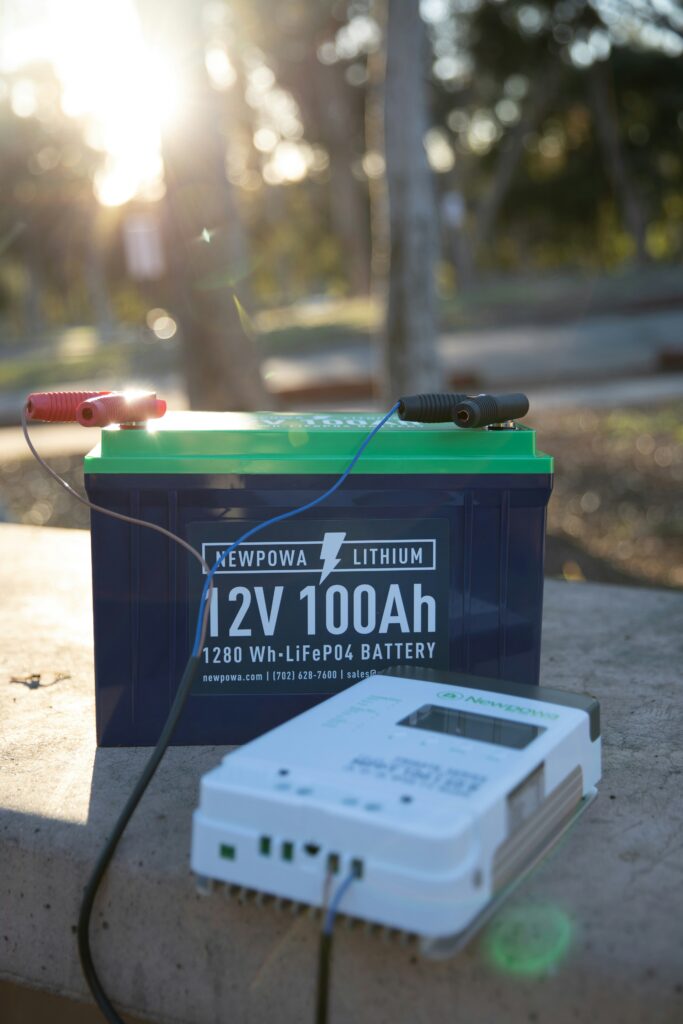
Lithium battery systems utilize advanced battery technology, providing a compact and efficient energy storage solution. These systems gather power from renewable sources, such as solar panels, or are charged from the grid when electricity is available. Once charged, they can supply electricity seamlessly during a power interruption. Common applications of lithium backup systems include supporting household appliances, critical medical devices, and emergency lighting—highlighting their versatility and reliability in various scenarios.
On the other hand, gas-powered generators function by converting gasoline, diesel, or propane into electricity. They are typically designed for higher power output, making them suitable for larger applications or facilities requiring substantial energy. Gas generators can deliver power during extended outages lasting several hours or even days, which is particularly beneficial in remote areas with unreliable power sources. While mostly favored for their higher capacity, they require space for fuel storage and present maintenance needs that should be considered.
Understanding the differences between these backup systems is crucial for making informed decisions. Factors such as energy needs, system reliability, environmental considerations, and operational costs should guide users in selecting the right backup solution for their specific requirements. In various situations, from natural disasters to everyday inconveniences, the assurance of having a backup power supply can prove invaluable for maintaining normalcy in both homes and businesses.
Lithium Backup Systems: Advantages and Limitations
Lithium backup systems have gained prominence in the realm of energy storage solutions due to their innovative technology and performance characteristics. These systems integrate lithium-ion batteries, which utilize lithium salts in an organic solvent as the electrolyte. This composition facilitates efficient energy storage and retrieval, leading to high energy density and efficiency rates of up to 90%. This level of efficiency ensures that a significant proportion of the energy stored can be utilized, minimizing energy loss compared to traditional batteries.
One of the primary advantages of lithium backup systems is their longevity. Typically, these batteries boast a cycle life that ranges from 2,000 to 5,000 cycles, far exceeding that of lead-acid batteries, which usually last around 500 cycles. This extended lifespan translates to a long-term investment, as replacing batteries less frequently reduces maintenance and replacement costs over time. Furthermore, lithium systems support rapid charging capabilities, often reaching full capacity within a few hours, allowing for time-sensitive applications where immediate power availability is critical.
Additionally, lithium backup systems require significantly less maintenance compared to their gas and lead-acid counterparts. They do not necessitate regular fluid checks or equalization charging, simplifying user interactions and reducing operational costs. However, several limitations warrant consideration. One key drawback is the initial cost; lithium batteries may require a higher upfront investment compared to traditional systems, often making them less accessible for budget-conscious users. Moreover, lithium systems can experience compromised performance in extreme temperature conditions, where their capacity and efficiency may diminish. Consequently, understanding both the advantages and limitations of lithium backup systems is essential for making informed decisions regarding energy solutions.
Gas Backup Systems: Advantages and Limitations
Gas backup systems, particularly gas generators, are a popular choice for providing supplemental power during outages or when the primary energy source is unavailable. These generators primarily run on natural gas or propane and can produce substantial power output, making them suitable for both residential and commercial applications. Their functioning is straightforward; as long as a consistent fuel supply is available, gas generators can operate efficiently to meet energy demands.
One of the key advantages of gas backup systems is their ability to deliver power over extended periods. Unlike battery systems, which have limited storage capacity, gas generators can run as long as they have access to fuel. This feature makes them particularly reliable during prolonged power outages. Furthermore, the initial costs of gas generators are generally lower compared to battery systems, making them an economically appealing option for many users.
However, gas backup systems are not without their limitations. A vital consideration is the dependency on a continuous fuel supply. During natural disasters, access to fuel can be disrupted, rendering the system useless at critical moments. Moreover, gas generators often produce noise during operation, which can be a nuisance in residential settings, particularly if the equipment is positioned near living areas. Additionally, environmental concerns are important to consider, as burning fossil fuels contributes to greenhouse gas emissions.
In conclusion, while gas backup systems offer significant advantages such as reliable power output and lower initial costs, they also come with limitations related to fuel dependency, noise emissions, and environmental impacts. Weighing these factors can aid consumers in making informed decisions regarding the suitability of gas generators for their specific needs.
Choosing the Right Backup System for Your Needs
When selecting a backup system, the decision hinges significantly on individual circumstances, including budget constraints, power requirements, installation considerations, and long-term maintenance commitments. Both lithium and gas backup systems offer distinct advantages; understanding these will aid in making an informed choice.
Firstly, consider your budget. Gas backup systems generally have a lower initial purchase cost compared to lithium systems. However, while gas systems may save money upfront, they often incur higher operational costs in the long run due to fuel prices and potential maintenance needs. In contrast, lithium systems, while more expensive initially, provide the benefit of lower maintenance costs and longer operational life, making them a potentially wise investment for the future.
Next, assess your power requirements. The energy demand of your household or business can guide you toward the most suitable option. If your energy usage is significant, a lithium backup system may be more efficient due to its ability to handle high power loads and provide consistent energy storage. Conversely, if your needs are minimal and predominantly intermittent, a gas system could suffice.
Installation considerations also play a critical role. Lithium systems often require professional installation, which can add to the overall cost. Gas backup systems, while sometimes easier to install, may require extensive safety measures and ventilation. Thus, understanding the installation requirements and aligning them with your skill level and available resources is crucial.
Lastly, evaluate long-term maintenance. Lithium batteries typically demand less upkeep compared to gas generators, which require regular maintenance for optimal performance. An assessment of your willingness and ability to perform maintenance tasks should influence your choice.
In summary, by taking into account budget, power requirements, installation nuances, and maintenance needs, you can determine which backup system aligns best with your lifestyle and energy requirements, ultimately making the right choice for your circumstances.
When preparing for a power outage, the choice between lithium battery stations and gas-powered generators often depends on whether you value silent indoor safety or long-term high-output capacity.
Lithium power stations are ideal for indoor use and charging sensitive electronics like laptops and medical devices, as they emit no fumes and require virtually no maintenance. Gas generators, particularly dual-fuel models, are better for prolonged outages and running heavy appliances like refrigerators or HVAC systems, provided you have a safe outdoor space for operation.
Top Picks for Backup Power
Lithium Power Stations (Solar Generators)
These units are the gold standard for “silent prep.” They are perfect for apartments or scenarios where you need to keep low-wattage devices running without drawing attention to your home.
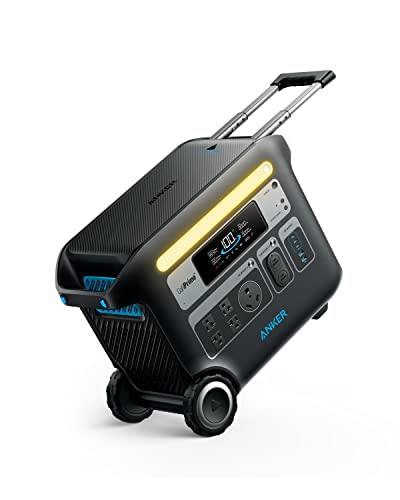
The Anker PowerHouse 767 is a high-capacity option that features LiFePO4 batteries for a 10-year lifespan. It can be recharged from 0 to 80% in just 1.4 hours and is capable of powering up to 12 devices simultaneously.
For those looking for a slightly more affordable entry into high-capacity power, the Jackery Explorer 2000 Plus provides a similar 2kWh capacity and is designed to operate safely even in high temperatures.

Gas and Dual-Fuel Generators
If you need to power a well pump or a central air unit, gas-powered systems are unmatched in their raw power output.
The Westinghouse 9500 offers the flexibility of running on gasoline or propane. With 9,500 peak watts, it is powerful enough to handle major household loads and includes a CO sensor for added safety during outdoor operation.

Essential Accessories for the Prepper
A backup system is only as good as your ability to connect it to your home. For gas generators, a manual transfer switch is highly recommended to safely power your home’s circuits without messy extension cords.
- Solar Input: To make a lithium station truly “infinite,” pair it with the EcoFlow 160W Solar Panel or the high-output BLUETTI PV350.
- Safe Connectivity: Use a Pro/Tran Manual Transfer Switch Kit for gas generators to avoid backfeeding the grid.
- Heavy Duty Cords: Ensure you have a 25 ft. Twist Lock Cord to safely bridge the distance between your outdoor generator and the house.


Final Verdict
For emergency medical power or short-term outages (12-24 hours), Lithium is the clear winner due to its ease of use and safety. For long-term grid failure (3+ days) or rural homes with well pumps, a Dual-Fuel Gas Generator remains the most reliable lifeline.
LEAVE A COMMENT