Lifestraw vs. Sawyer Mini Comparison
Introduction to Portable Water Filters
In an age where accessibility to clean water remains a prominent issue, the role of portable water filters has become increasingly vital, especially for outdoor enthusiasts, travelers, and individuals in survival situations. These filtration systems are designed to remove contaminants from natural water sources, making them safe for consumption. Among the numerous options available, the Lifestraw and Sawyer Mini stand out as two of the most preferred choices due to their efficiency, compact size, and reliability.
Portable water filters such as Lifestraw and Sawyer Mini are essential for various scenarios. For campers and hikers, carrying a lightweight and effective filtration system allows them to enjoy the great outdoors without the fear of consuming unsafe water. In emergency situations, these tools provide a reliable means of obtaining potable water, thus ensuring health and safety. Moreover, frequent travelers to remote areas or countries with questionable water quality can greatly benefit from these portable solutions.
Both Lifestraw and Sawyer Mini utilize advanced filtration technology, ensuring they can effectively remove bacteria, protozoa, and other impurities from water. Their popularity can be attributed not only to their performance but also to their user-friendly design and portability. With the growing awareness of waterborne diseases and the pressing need for clean drinking water in diverse environments, the importance of investing in a trustworthy water filtration system cannot be overstated.
Features and Specifications of Lifestraw and Sawyer Mini
The Lifestraw and Sawyer Mini are both prominent portable water filtration systems, each with unique features and specifications that cater to different user needs. To effectively evaluate the performance of these two products, it is essential to consider their filtration methods, flow rates, lifespan, weight, size, and the types of contaminants they can remove.
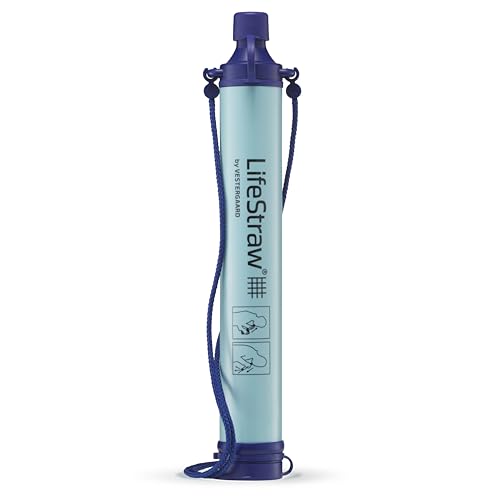
The Lifestraw operates using a hollow fiber membrane filtration method, which allows it to effectively remove bacteria and parasites from water sources. It boasts a significant flow rate of approximately 1.75 liters per minute, making it a suitable option for quick drinking applications. The Lifestraw has an impressive lifespan of up to 4,000 liters, which indicates its longevity and value for long-term use. Weighing only 59 grams and measuring about 22.5 centimeters in length, it is highly portable and can easily fit into a backpack or pocket for hiking and emergency situations.
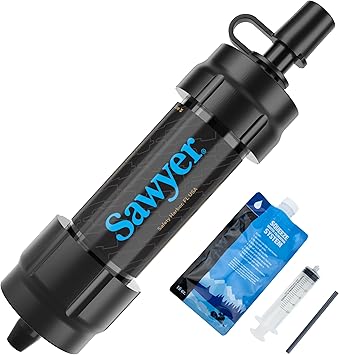
On the other hand, the Sawyer Mini employs a similar hollow fiber technology but is designed to offer more versatility. With a flow rate of 0.1 liters per minute when used with the included squeeze pouch, it is not as fast as the Lifestraw in direct use but can produce clean water over time in larger quantities. The Sawyer Mini’s lifespan is also quite remarkable, filtering up to 100,000 gallons of water with proper maintenance, which makes it a long-lasting choice for users needing a reliable water source. Its lightweight design, approximately 57 grams, and compact size make it equally suitable for travel.
Both filters can remove harmful contaminants, including bacteria, protozoa, and other parasites, although neither of them can effectively eliminate viruses. Understanding these specifications is crucial for consumers to make informed decisions on which portable water filtration system best meets their specific needs.
Performance Comparison in Real-World Scenarios
When comparing the Lifestraw and Sawyer Mini, it is essential to examine their performance in practical applications such as hiking, camping, and emergency preparedness. Both filtration systems are designed for portability and convenience, making them popular choices among outdoor enthusiasts.
In terms of ease of use, the Lifestraw is often praised for its straightforward operation. Users simply need to place one end of the straw into a water source and sip through the other end. The Sawyer Mini, on the other hand, provides versatility because it can be used as a straw, or it can be connected to a hydration pack or water bottles. This dual functionality appeals to users who prioritize convenience and adaptability.
Filtering speed is another crucial factor in the performance comparison. The Lifestraw is known for its quick flow rate, which allows users to obtain clean drinking water rapidly. Reviews indicate that many hikers appreciate this feature, especially during long treks when time is of the essence. Conversely, the Sawyer Mini is reported to have a slower filtration rate but compensates through its ability to filter larger volumes of water before requiring maintenance.
User maintenance is important while assessing the two systems. The Lifestraw requires minimal upkeep, though it is suggested that users backflush it occasionally to maintain performance. The Sawyer Mini requires more frequent cleaning, especially if the user is filtering murky water. Some users have reported that although regular maintenance is necessary, the system’s ability to handle various water conditions makes it worthwhile.
Overall user experience also plays a significant role in determining which filtration system may be more suitable for specific needs. Testimonials often highlight that while the Lifestraw is ideal for those who prioritize immediate access to clean water, the Sawyer Mini is favored for its flexibility and overall performance in a wider variety of situations.
Conclusion: Which Portable Water Filter Should You Choose?
In evaluating the Lifestraw and Sawyer Mini portable water filtration systems, several key factors emerge that can help determine which option may best suit your needs. Both filters are designed to provide safe drinking water in various conditions, yet they differ in several aspects that could influence your decision.
The Lifestraw is particularly favored for its lightweight and compact design, making it an excellent choice for hikers and travelers who prioritize portability. Its straightforward operation and ability to filter out bacteria and parasites make it a reliable tool for emergency situations, especially in remote locations. However, the Lifestraw lacks a compatibility feature for attaching to hydration packs, which may be a disadvantage for users accustomed to a certain level of convenience.
In contrast, the Sawyer Mini offers additional versatility through its ability to connect with standard water bottles and hydration systems, making it a practical alternative for longer trips or when ease of use is paramount. It boasts a higher capacity for filtered water before requiring replacement, which is an advantage for groups seeking sustained filtration. These features, paired with its slight increase in cost, may make the Sawyer Mini the better option for those who frequently engage in outdoor activities.
Ultimately, the choice between the Lifestraw and Sawyer Mini will depend on your individual circumstances, including budget, intended use, and personal preferences regarding filter operation and maintenance. For sporadic use or emergency situations, the Lifestraw may suffice, while the Sawyer Mini appears to be a more fitting investment for regular outdoor enthusiasts. Each filtration system presents its own unique strengths, ensuring there is an appropriate choice available for varying needs in water purification.
LEAVE A COMMENT