How to Build a Prepper Pantry
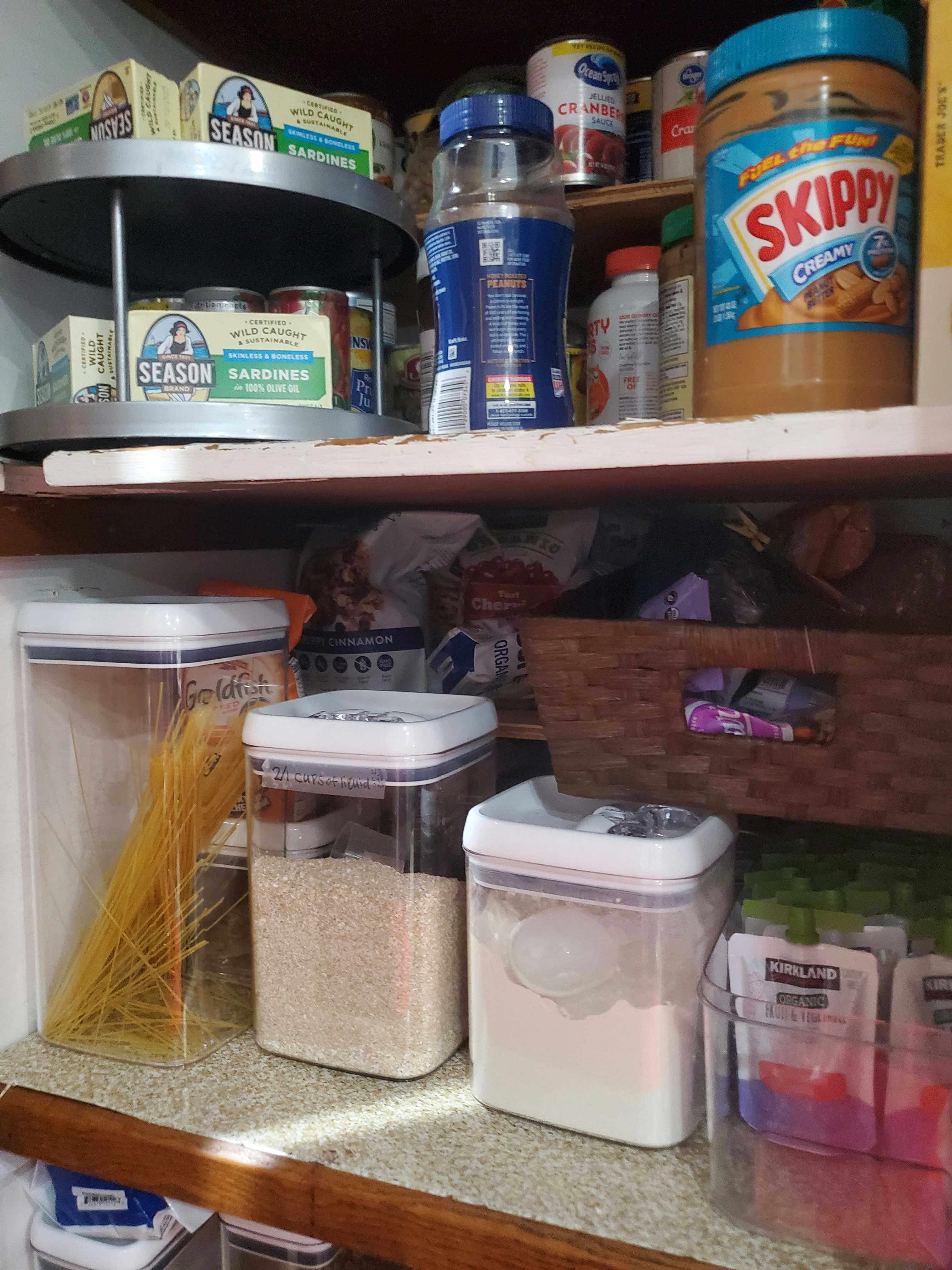
Understanding the Concept of a Prepper Pantry
A prepper pantry is a designated storage area where non-perishable food and other essential supplies are accumulated in preparation for potential emergencies. The primary purpose of establishing a prepper pantry is to ensure food security during unforeseen circumstances, such as natural disasters, economic crises, or other disruptive events. This practice reflects a philosophy of self-sufficiency and readiness that many individuals and families embrace in today’s uncertain environment.
The concept of a prepper pantry stems from the desire to maintain a reliable food source when traditional supply chains may be disrupted. By stocking a variety of foods, such as canned goods, dried fruits, grains, and other staples, individuals can ensure they have enough sustenance to weather difficult times. This preparedness strategy significantly reduces reliance on grocery stores, which may not be accessible during emergencies. An effectively organized prepper pantry also allows for better management of available resources, aiding in thoughtful meal planning and less waste.
Moreover, building a prepper pantry can offer long-term economic benefits. By purchasing food items in bulk when they are on sale rather than paying full price or relying on last-minute purchases, families can save significant amounts of money. Additionally, having a well-stocked pantry can provide peace of mind; knowing that basic needs are met allows individuals to focus on other aspects of preparedness, such as securing water supplies or medical kits. In essence, investing time and resources into creating a prepper pantry enhances both resilience and security, making it a prudent practice for any household.
Assessing Your Needs and Resources
Building a prepper pantry necessitates a thorough evaluation of your specific needs and available resources. This foundational step ensures that the items you stock are both relevant and beneficial for your unique situation. To begin, it’s crucial to identify any dietary restrictions among household members. This includes allergies, intolerances, and specific nutritional requirements. Understanding these constraints will guide you in selecting suitable food items that everyone can consume without adverse effects.
Next, consider your storage space limitations. A prepper pantry can be as simple as a small cupboard or as expansive as an entire room, depending on the available area in your home. Make an inventory of storage capabilities, such as shelves, cabinets, or closets, and assess the temperature and humidity conditions of these spaces. Certain food items require specific storage conditions to maintain their longevity and safety, so understanding your environment is key.
Budget constraints also play a significant role in building a prepper pantry. Establishing a reasonable budget allows you to prioritize essential items without overspending. It may be beneficial to start with a list of the most critical goods you need, breaking them down into categories such as staples, canned goods, dry foods, and emergency supplies. Regularly review and update this list as you take stock of what you already have, while also keeping track of what additional items may be required over time.
By methodically assessing your dietary needs, storage capabilities, and budget, you can effectively build a prepper pantry tailored to your lifestyle and preparedness goals. This strategic approach not only maximizes the functionality of the pantry but also enhances the sustainability of your preparedness efforts.
Choosing the Right Foods for Your Pantry
When creating a prepper pantry, it is essential to select food items that are not only shelf-stable but also cater to the nutritional requirements of you and your family. The focus should be on building a diverse inventory that includes a variety of food types, ensuring that you are prepared for different situations and dietary preferences.
Non-perishable foods should form the backbone of your prepper pantry. Staples such as rice, pasta, and beans are excellent choices due to their long shelf lives and high versatility in meal preparation. Additionally, consider incorporating canned goods, which provide a range of vegetables, fruits, proteins, and soups, catering to both health and taste preferences. Look for items that you already consume regularly to facilitate smoother meal planning.
Another category to consider is freeze-dried foods. These items are lightweight, easy to prepare, and retain their nutritional value for extended periods. They typically come in various meal combinations, making them convenient for quick preparation during emergencies. Furthermore, bulk buying items such as grains, flour, and sugar can also help in creating a sustainable food supply. These bulk items, when stored properly, can last for years and can be utilized in numerous recipes.
It is crucial to also consider nutritional balance when selecting foods for your pantry. Aim for a variety of food groups, including carbohydrates, proteins, healthy fats, and fibrous vegetables. Incorporating foods that meet special dietary needs, like gluten-free or vegetarian options, can ensure that every family member’s health requirements are satisfied.
In conclusion, developing a prepper pantry with thoughtfully chosen food items not only prepares you for unforeseen circumstances, but also enhances your overall food security. A well-stocked prepper pantry with sensible choices can offer peace of mind in times of uncertainty.
Organizing and Maintaining Your Prepper Pantry
Organizing your prepper pantry is a crucial step in ensuring you have a well-stocked and easily accessible food reserve. The first approach to effective organization involves categorizing food items. Group similar products together, such as grains, canned goods, dehydrated foods, and snacks. This categorization not only expedites retrieval during emergencies but also helps in keeping track of your supplies more effectively.
Proper storage is key to extending the shelf life of your food items. Utilize airtight containers for bulk goods like rice, beans, and flour to protect them from moisture and pests. Moreover, consider storing items at an optimal temperature and away from direct sunlight or humidity, which can compromise their quality. Vacuum sealing, for instance, is another excellent method to prolong the usability of dried goods.
Labeling is an essential management technique for your prepper pantry. Always use clear labels that include the name of the product and the date of purchase or expiration. This practice ensures that you can quickly identify items that need to be used soon, ultimately minimizing waste and promoting a systematic rotation of your supplies.
Regular checks of your prepper pantry are vital in maintaining its effectiveness. Schedule routine inspections to assess the status of your food items and to identify any supplies that require replenishment. Additionally, applying the “first in, first out” principle can significantly enhance food freshness; by consuming older items first, you reduce the risk of spoilage.
In conclusion, an organized and well-maintained prepper pantry can be a lifesaver during emergencies. By categorizing, properly storing, labeling, and routinely checking your supplies, you ensure that you remain prepared with fresh and usable food items.
LEAVE A COMMENT