The “Go-Bag” Fundamentals: Essential 72-Hour Kit Checklist
A 72-hour kit isn’t just a bag of gear; it’s your life-support system for the first three days of an evacuation. The goal is to bridge the gap between the onset of an emergency and the arrival of organized relief. To keep your guide focused on utility, we’ve broken the essentials into the “Big Five” survival categories.
1. Sustenance: Calories & Hydration
In a high-stress evacuation, your body burns calories faster than usual. Focus on weight-to-calorie efficiency and reliable filtration.
- Water: 3 liters minimum (carried in a bladder or heavy-duty bottles).
- Food: 2,400+ calories per day. Focus on “no-cook” options like calorie bars.
- Backup: A way to clean water on the go.
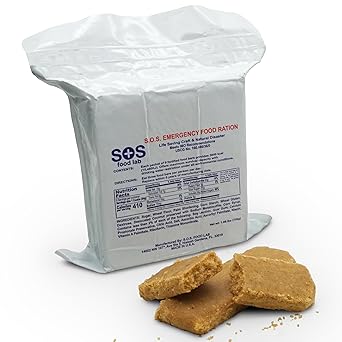
The S.O.S. Emergency Food Rations are designed to be non-thirst-provoking and provide 3,600 calories per pack with a 5-year shelf life. For water, the LifeStraw Personal Water Filter is a mandatory backup, allowing you to drink safely from freshwater sources if your stored supply runs out.
2. Shelter & Warmth
Maintaining your core body temperature is the highest priority in survival.
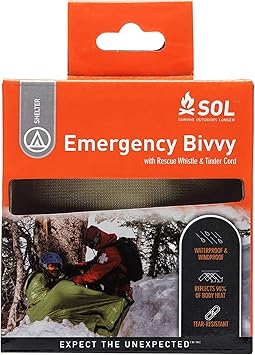
- Emergency Bivy: A high-quality thermal bag to reflect 90% of body heat.
- Poncho: A heavy-duty reusable poncho serves as both rain gear and a makeshift tarp.
- Fire Starter: Two lighters and a small tin of waterproof tinder.
The S.O.L. Survive Outdoors Longer Emergency Bivy is a significant upgrade over standard thin blankets; it’s a windproof, waterproof sleeping bag that weighs only 3.8 ounces.
3. Lighting & Communication
Information and visibility prevent panic.
- Headlamp: Always choose a headlamp over a handheld flashlight to keep your hands free.
- Radio: A small weather radio for emergency broadcasts.
- Power: A dedicated power bank to keep your phone charged.
The Petzl TIKKINA Headlamp is a reliable, lightweight choice with 300 lumens of power, ensuring you can navigate safely at night. For communication and backup power, the RunningSnail Emergency Hand Crank Radio is a 4-way powered device that includes a flashlight and a 2000mAh power bank.

4. First Aid & Hygiene
Minor injuries can become major problems if not treated quickly in the field.
- Trauma Gear: Gauze, medical tape, and antiseptic wipes.
- Personal Hygiene: Body wipes for waterless cleaning and a travel toothbrush.
- Medication: A 3-day supply of personal prescriptions.
The Surviveware Small First Aid Kit is perfect for 72-hour bags because it is organized into labeled compartments and made of 600D polyester, making it much more durable than standard plastic kits.

5. Tools & Navigation
- Multi-tool: For repairs and food prep.
- Signal: A high-decibel whistle for signaling rescuers.
- Map: A physical map of your local area.
The LEATHERMAN Wingman Multitool features 14 tools, including spring-action pliers and a wire cutter, making it a versatile addition for any mechanical fixes you might encounter.

The “Bug Out” Strategy Tip
Weight Distribution: Pack your heaviest items (water and food) close to your back and in the middle of the bag. This keeps your center of gravity stable, making the bag feel significantly lighter during long walks.
LEAVE A COMMENT